
Examining piano-lesson self-efficacy in fine arts high schools in Türkiye
Keywords:
music education, piano education, self-efficacy, self-regulation, fine arts high schoolAbstract
This article investigates self-efficacy in the piano course at fine arts high schools within both conceptual and applied frames. Bridging Social Cognitive Theory (Bandura’s four sources), the Expectancy–Value perspective, and a self-regulated learning model with work on deliberate practice and effective feedback, it offers concrete implications for instructional design. Using a cross-sectional survey, the 32-item Piano Lesson Self-Efficacy Scale (Kurtuldu & Bulut, 2017) was administered to 87 students in grades 9–12 at a fine arts high school in Sivas. Exploratory factor analysis pointed to a nine-factor structure; since normality was only partially met, both parametric and nonparametric tests were employed. Findings show that self-efficacy is not unitary but multidimensional: technical skill/focus/transfer and openness to new knowledge/responsibility were relatively strong, whereas theoretical knowledge/independent analysis and technical accuracy/sight-reading lagged. No gender differences emerged. By grade level, ninth graders reported higher perceptions in technical focus/transfer and goal–instruction alignment, while twelfth graders scored higher in theoretical knowledge/independent analysis. Pre–Fine Arts High School music education conferred an advantage only for theoretical knowledge/analysis. Mother’s education level was associated with technical–musical self-assessment and practice discipline; no differences were detected for father’s education. The discussion argues that micro-goal, micro-evidence–oriented deliberate practice and task/process-focused, evidence-based feedback (Hattie & Timperley) strengthen self-efficacy, and that peer modeling, accompaniment/correpetition, and low-stakes recitals can activate Bandura’s four sources concurrently. Policy and practice suggestions include standardizing micro-rubrics and brief timed sight-reading rituals, instituting regular cycles of peer-based activities, and equalizing access to practice rooms and instruments. Limitations include the single-site, cross-sectional, self-report design; future research should triangulate with multi-site, longitudinal designs and performance-based indicators.
Author Biographies
Neslihan Kesten Şeker, Sivas Milli Eğitim Müdürlüğü

Neslihan Kesten Şeker, 1985’te Sivas’ta doğdu. 2007’de Sivas Cumhuriyet Üniversitesi Eğitim Fakültesi Müzik Öğretmenliği Programı’ndan mezun oldu. Aynı yıl Yozgat’ın Akdağmadeni ilçesine müzik öğretmeni olarak atandı; üç yıl sonra Sivas’a tayin oldu. Halen Sivas’ta müzik öğretmeni olarak görev yapmakta ve piyano, gitar, bağlama eğitimi vermektedir. Sivas Cumhuriyet Üniversitesi, Güzel Sanatlar Eğitimi Anabilim Dalı, Müzik Eğitimi Bilim Dalı’nda “Anadolu Güzel Sanatlar Lisesi’nde Piyano Eğitimi Alan Öğrencilerin Öz-yeterliklerinin Değerlendirilmesi (Sivas İli Örneği)” başlıklı tez çalışmasıyla yüksek lisans eğitimine devam etmektedir.
Türker Erol, Sivas Cumhuriyet Üniversitesi Eğitim Fakültesi Güzel Sanatlar Eğitimi Bölümü Müzik Eğitimi Ana Bilim Dalı- Doç. Dr.
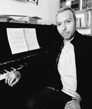
Doç. Dr. Türker Erol, 1999 yılında Abant İzzet Baysal Üniversitesi Eğitim Fakültesi Müzik Eğitimi Bölümü'nden mezun oldu. Düzce'de Çilimli ve Amasya'nın Göynücek ilçelerinde müzik öğretmeni olarak çalıştı. 2001 yılında Cumhuriyet Üniversitesi'nde öğretim görevlisi olarak çalışmaya başladı. 2005 yılında Cumhuriyet Üniversitesi Sosyal Bilimler Enstitüsü'nde "Yaylı Çalgılar Öğrenci Orkestralarının Eğitim Yöntemlerinin İncelenmesi" başlıklı teziyle yüksek lisansını tamamladı. 2015 yılında Erciyes Üniversitesi Güzel Sanatlar Enstitüsü'nde "Cumhuriyet Dönemi Türk Tiyatrosunda Müzikli Oyunlar, Tiyatro Müziği Besteciliği ve Bu Alanın Günümüzdeki Durumu Üzerine Değerlendirmeler" başlıklı teziyle doktora eğitimini tamamladı. 2022 yılında doçent unvanını alan Erol, halen Sivas Cumhuriyet Üniversitesi Eğitim Fakültesi Güzel Sanatlar Eğitimi Bölümü Müzik Eğitimi Anabilim Dalı'nda lisans, yüksek lisans ve doktora dersleri vermektedir. Çalışmaları alanları özellikle tarihsel müzikoloji, etnomüzikoloji, sistematik müzikoloji ve müzik eğitimi üzerinedir.
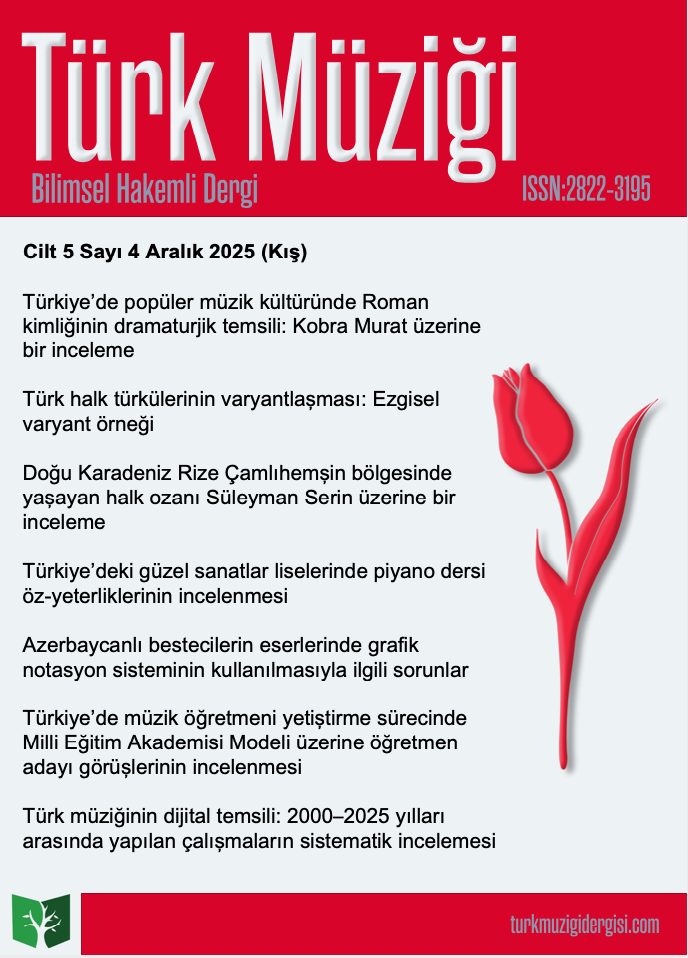
Downloads
Published
How to Cite
Issue
Section
License
Copyright (c) 2025 Türk Müziği

This work is licensed under a Creative Commons Attribution-NonCommercial-NoDerivatives 4.0 International License.


